


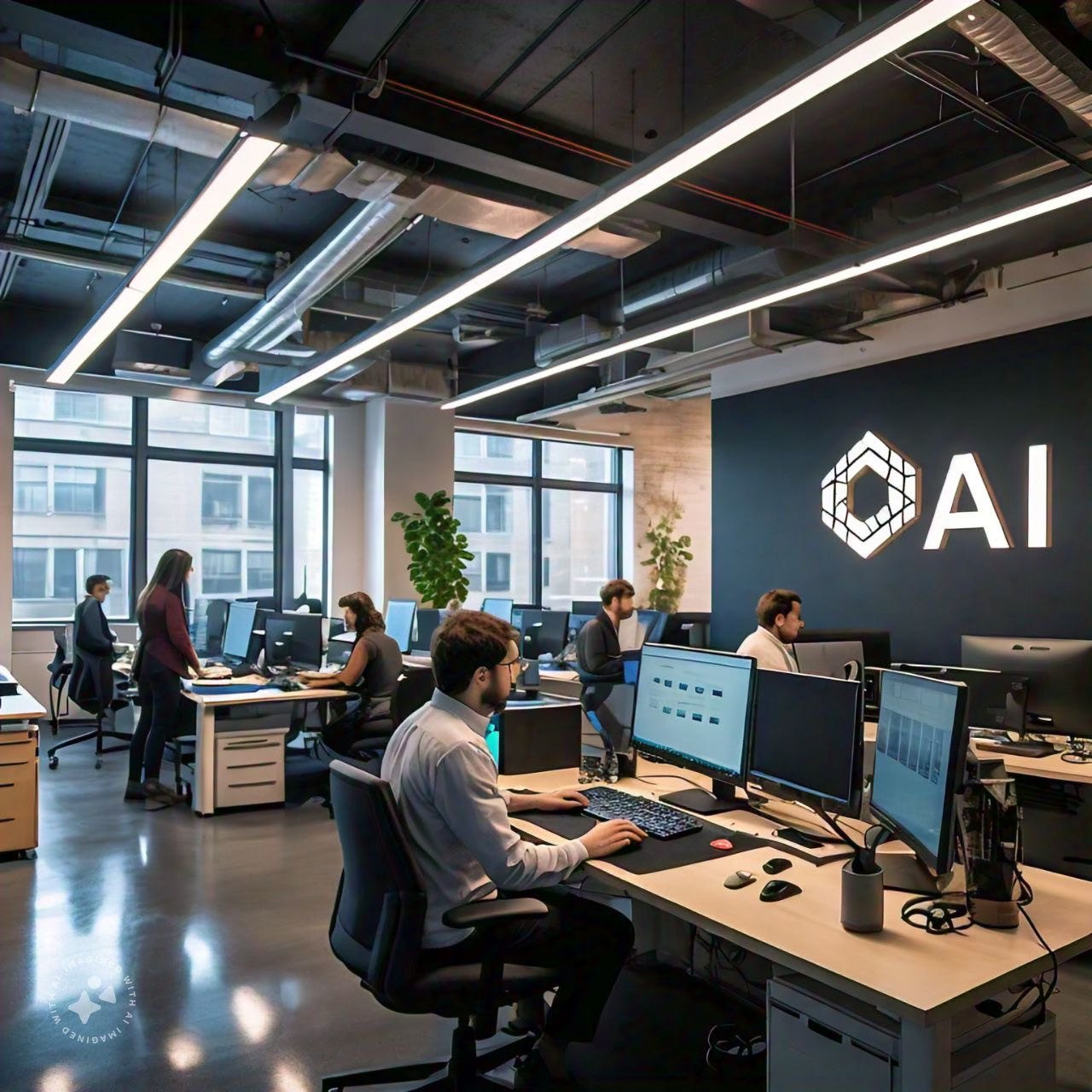
OpenAI said in a post on X that it is opening new offices in multiple cities, including NYC, Seattle, Paris, Brussels, and Singapore, in addition to its existing locations in San Francisco, London, Dublin and Tokyo, as part of the company’s global expansion efforts.
The company also said managing director Oliver Jay (formerly the chief revenue officer at Asana and head of APAC and LATAM at Dropbox) will oversee international operations and facilitate global expansion from Singapore.
A spokesperson at OpenAI told TechCrunch the company has started building a team in Singapore, which will serve as a hub to support customers and partners in the Asia Pacific region. The company is currently hiring engineers, and plans to open the Singapore office at the end of this year. This will be OpenAI’s second office in Asia, following the launch of the Tokyo office in April.
“Singaporeans are some of the highest per capita users of ChatGPT worldwide, with the number of weekly active users in Singapore doubling since the beginning of the year,” OpenAI said in a statement.
Read more about OpenAI’s global expansion on TechCrunch
‘Godfather of AI’: “Exceeding Human Intelligence” and “Trying to Take Over”
The Nobel Prize winning ‘Godfather of AI’ speaks to Newsnight about the potential for AI “exceeding human intelligence” and it “trying to take over.” Geoffrey Hinton, former Vice President of Google and sometimes referred to as the ‘Godfather of AI’, has recently won the 2024 Nobel Physics Prize. He resigned from Google in 2023, and has warned about the dangers of machines that could outsmart humans.
The Rise Of Physical AI: When Intelligent Machines Meet The Real World
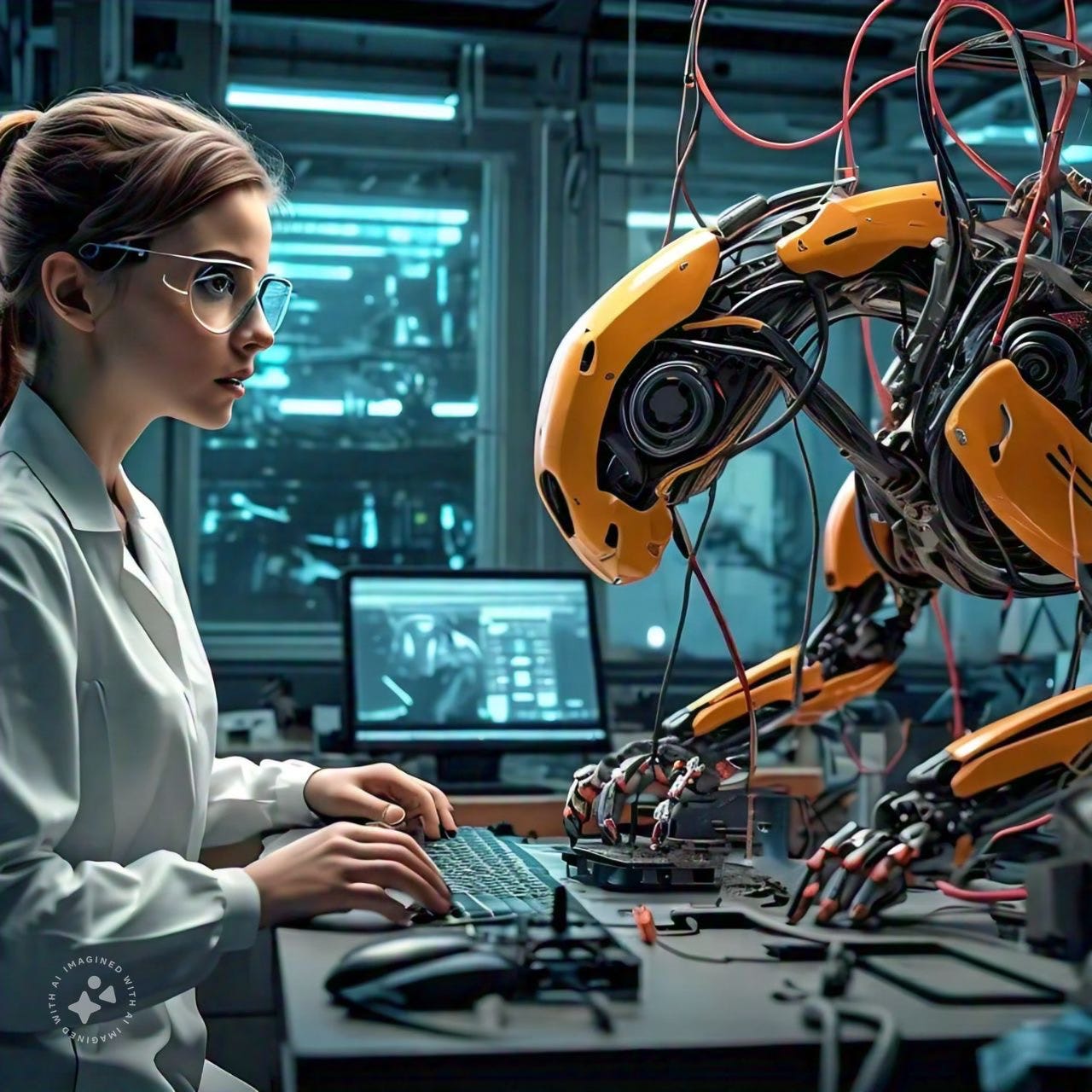
At the cutting edge of artificial intelligence, a groundbreaking fusion is taking place: the marriage of AI with the physical world. This phenomenon, known as physical AI, is not just an incremental step forward—it's a giant leap into a future where intelligent machines seamlessly interact with and manipulate their environments. As we stand on the brink of this technological revolution, it's crucial to understand what physical AI entails and how it's set to reshape our world.
The Essence Of Physical AI
At its core, physical AI represents the embodiment of sophisticated AI algorithms in tangible, interactive systems. Unlike traditional AI, which operates in the digital realm, physical AI manifests in robots and machines equipped with an array of sensors and actuators. These advanced systems can perceive their surroundings, make decisions based on real-time data, and physically interact with the world around them. It's a far cry from the static, pre-programmed machines of yesteryear; these are adaptable, learning entities capable of handling complex and unpredictable scenarios.
The implications of this technology are profound and far-reaching. In manufacturing, physical AI is already making waves. Imagine factories where robots don't just perform repetitive tasks but can adapt on the fly to new product specifications or unexpected changes in the production line. These intelligent systems learn from each interaction, continuously improving their efficiency and reducing downtime. The result? A new era of flexible, highly responsive manufacturing that can swiftly adapt to market demands.
Read more about the rise of physical AI on Forbes
Meta Unveils AI Tools For Business
Julia Boorstin joins Power Lunch to discuss Meta unveiling AI tools for business.
Apple's New Depth Pro AI Model Could Revolutionize AR — Capturing 3D Space From a Single Image in Just Seconds!
Not a week goes by without something new in AI development pushing the technology forward, but this week's comes from a small tech company in Cupertino.
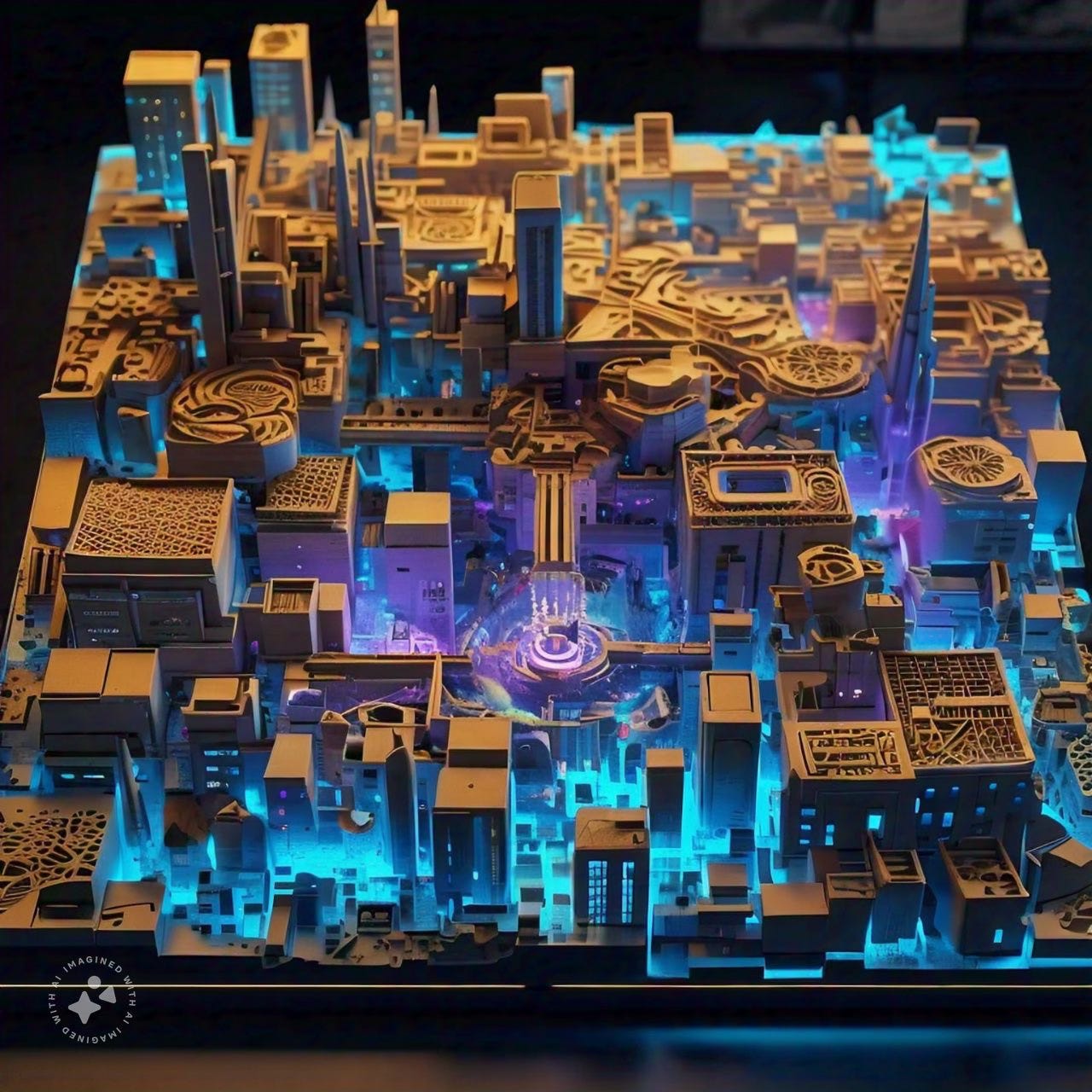
While all eyes are on Apple Intelligence and its eventual release which will bring context-specific AI features to everyday use, the company has also shown off a new AI model called Depth Pro. As the name suggests, this new artificial intelligence model will map the depth of an image in real time. Where it is more exciting is in the fact it can do this on standard home computing hardware — no Nvidia H100's required.
Depth Pro is a research model, not something Apple is necessarily putting into production but if we ever get a pair of Apple Glasses, it would certainly help the company make augmented reality work better, or even improve the AR functionality of the Vision Pro.
Apple's new model estimates relative and absolute depth, using them to produce "metric depth". This data can then be used, along with the image in a range of ways. When a user takes a picture, Depth Pro draws accurate measurements between items in the image. Apple's model should also avoid inconsistencies like thinking the sky is part of the background, or misjudging the foreground and background of a shot.
Read more about Apple’s Depth Pro AI Computer Vision Model
Nvidia's AI Summit 2024 Highlights | The Next Wave of AI in 14 Minutes
At Nvidia's AI Summit, company VP Bob Pette talks about the company's accelerated computing platform and how it will play a role in its AI strategy.
Legal AI Company EvenUp Valued at Over $1 Billion in Latest Funding Round

EvenUp, an AI startup that helps lawyers streamline tasks such as drafting and reviewing documents, was valued at over $1 billion on Tuesday, after it raised $135 million in a funding round led by Bain Capital Ventures.
Premji Invest, Lightspeed Venture Partners, Bessemer Venture Partners, SignalFire and B Capital Group also participated in the round, which brought the company's total fundraise to $235 million, EvenUp said.
Despite subdued dealmaking activity elsewhere in private markets, AI startups have appealed to venture capital backers who are betting on a surge in demand for firms that help improve productivity.
Over 1,000 law firms use EvenUp, the company said. Its claims intelligence platform, which provides insights and helps with drafting documents, is powered by an AI model trained on personal injury cases, medical records and internal legal expertise.
Read more about EvenUp’s funding round on Reuters
No Priors | CEO of Braintrust Ankur Goyal
Elad is joined by Ankur Goyal, founder and CEO of Braintrust. Braintrust enables companies like Notion, Airtable, Instacart, Zapier, and Vercel to deploy AI solutions at scale by efficiently evaluating and managing complex, non-deterministic AI applications.
Ankur shares his insights into emerging trends in the use of AI tooling and coding languages, the rise of open-source, and the future of data infrastructure. Ankur also reflects on building resilient AI products, his philosophy on coding as a CEO, and the importance of a startup’s initial customer base.
Thats all for today, however new advancements, investments, and partnerships are happening as you read this. Subscribe today, so you don’t miss any AI related news.